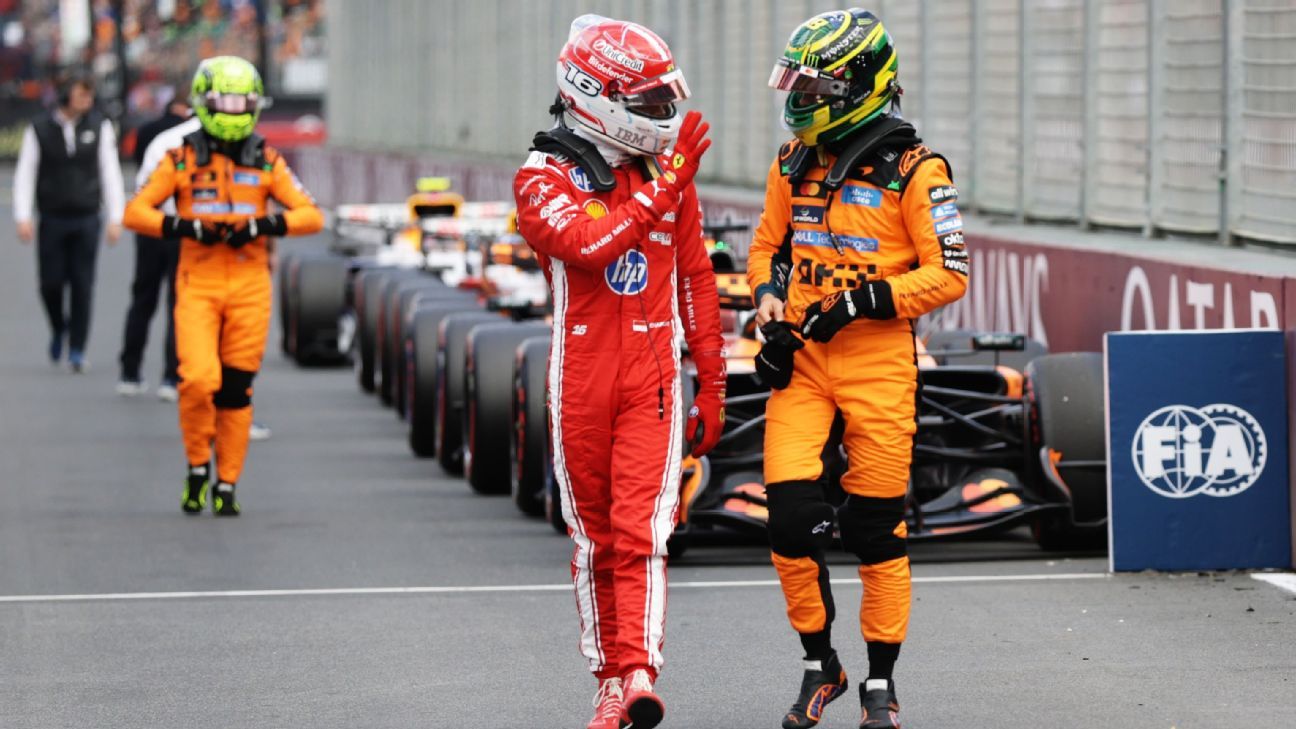
The Australian Grand Prix saw a challenging debut for Formula 1's latest generation of cars, as drivers voiced strong dissatisfaction with their performance and driving experience. Lando Norris, George Russell, Max Verstappen, and others expressed concerns over handling, reliability, and overall competitiveness.
Many drivers reported that the new cars were difficult to control, with some citing unpredictable behavior and reduced grip on the track. The introduction of these cars was aimed at improving racing spectacle and safety, but the initial results have been less than satisfactory. The teams and engineers are now under pressure to identify the root causes of these issues and implement solutions swiftly.
One of the primary problems highlighted is the aerodynamic design, which appears to be causing instability at high speeds. The new regulations introduced to enhance overtaking and safety may have inadvertently compromised the cars' balance and downforce. As a result, drivers find it harder to maintain control, especially in tight corners and during braking phases.
Furthermore, reliability concerns have emerged, with some cars experiencing mechanical failures or performance drops during the race. This has raised questions about the durability of the new components and the overall engineering approach. Teams are analyzing data to pinpoint the specific factors contributing to these issues, including tire degradation and suspension performance.
In response to the widespread criticism, some experts suggest that a quick fix could involve software adjustments to improve stability and handling characteristics. Others believe that aerodynamic tweaks and minor hardware modifications could provide immediate relief. However, they caution that comprehensive solutions may require more extensive redesigns, which could take time to develop and implement.
Looking ahead, teams are expected to work closely with FIA regulations to refine the cars' design and performance. The goal is to strike a balance between innovation, safety, and exciting racing. Meanwhile, drivers continue to adapt to the new machinery, hoping that subsequent races will see improvements and a more competitive, enjoyable spectacle for fans.
Overall, the Australian GP has highlighted the challenges of introducing radical changes in Formula 1. While the initial reactions have been critical, the ongoing development and collaboration among teams and regulators aim to resolve these issues and enhance the sport's future.